Darknet Markets 2025:
The dark web is part of the deep web but is built on darknets: overlay networks that sit on the internet but which can't be accessed without special tools or software like Tor. Tor is an anonymizing software tool that stands for The Onion Router — you can use the Tor network via Tor Browser.
| Darknet Market | Established | Total Listings | Link |
|---|---|---|---|
| Nexus Market | 2024 | 600+ | Onion Link |
| Abacus Market | 2022 | 100+ | Onion Link |
| Ares | 2025 | 100+ | Onion Link |
| Cocorico | 2023 | 110+ | Onion Link |
| BlackSprut | 2023 | 300+ | Onion Link |
| Mega | 2016 | 400+ | Onion Link |
Updated 2025-12-07
Easy Access to Darknet Markets
Accessing darknet e-commerce platforms requires specialized software and current links, which are gateways to a marketplace operating on principles of anonymity and direct trade. These platforms function similarly to their clearnet counterparts but are accessed through networks like Tor, which encrypt user traffic and obscure the server's location. The primary method for locating a legitimate market is through community-vetted darknet market links aggregated on dedicated link repositories and forums. These links are frequently updated to counter domain seizures, making it necessary for users to consult multiple sources to find a working URL.
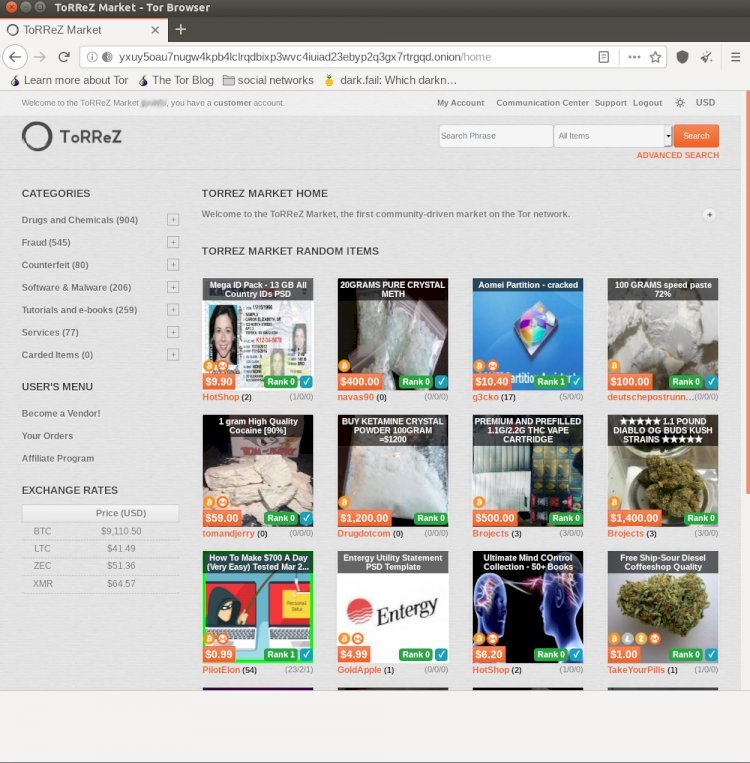
Once a valid link is acquired, the user gains entry to an extensive e-commerce ecosystem. This environment is structured around vendor shops, product categories, and integrated systems for communication and dispute resolution. The architecture is designed for user efficiency, featuring search functions, filters for product type and geographical origin, and detailed vendor profiles. These profiles are central to the experience, as they contain historical data on sales, customer feedback, and ratings that collectively build a vendor's reputation for reliability and product quality.
The entire process from browsing to checkout is streamlined for security and privacy. Transactions are conducted exclusively with cryptocurrencies like Bitcoin or Monero, providing a layer of financial anonymity. The escrow system is a critical component, automatically holding the customer's funds until the product is received and confirmed, thereby mitigating the risk of fraud and ensuring that both parties fulfill their obligations in the transaction.
Private Shopping on the Darknet
Encrypted networks provide the foundational layer for anonymous transactions on the darknet, creating a secure environment where privacy is the default state. These specialized networks, such as Tor or I2P, function by routing a user's internet traffic through a series of volunteer-operated servers, effectively obscuring the origin and destination of the data. This process encrypts the information multiple times, akin to placing a message inside a series of locked boxes, with each relay in the network only possessing the key to unlock one layer. The result is a high degree of anonymity for both the shopper and the vendor, as the final destination of the connection remains hidden from any outside observation.
Accessing a darknet marketplace requires a specific web address, known as an onion link. These links are a string of random characters followed by the .onion top-level domain and are only reachable through the Tor browser. The use of cryptocurrency, particularly privacy-focused coins like Monero, complements this network-level anonymity by providing a financial layer that is difficult to trace. This combination of encrypted networking and cryptographic currency allows for a discreet shopping experience where personal identities and financial details are protected from exposure.
The architecture of these networks supports a resilient ecosystem. Marketplaces operate as centralized platforms that host numerous independent vendors, who list their products for sale. A typical marketplace interface includes search functions, vendor stores, and product categories. The entire interaction, from browsing to checkout, occurs within the encrypted confines of the Tor browser. This setup not only protects user data but also ensures the continued operation of commerce platforms by shielding their server locations and administrative details, making them resistant to simple takedown efforts.
Private Shopping with Crypto on the Darknet
The adoption of cryptocurrency is the fundamental mechanism that enables private and secure transactions on darknet markets. Unlike traditional payment systems, cryptocurrencies operate on a decentralized network, ensuring that financial interactions are not directly tied to the real-world identities of the participants. This provides a significant layer of privacy for both buyers and vendors.
Monero (XMR) is often the preferred choice due to its enhanced privacy features that obscure transaction details on its blockchain. Bitcoin (BTC) remains widely accepted, though its pseudo-anonymous nature requires users to employ additional practices like using a new address for each transaction to maximize privacy. The process involves transferring the exact amount of cryptocurrency, as dictated by the market's escrow system, to a unique wallet address generated for the order.
This financial model effectively eliminates the need for third-party intermediaries, reducing transaction fees and preventing financial institutions from censoring or monitoring purchases. The cryptographic security of these currencies ensures that funds can only be spent by the holder of the private keys, making the transfer of value both secure and direct.

How Feedback Makes Buying on the Darknet Safe
The feedback system on darknet markets functions as a decentralized mechanism for quality control and vendor accountability, directly replacing the regulatory frameworks found in conventional e-commerce. Every transaction concludes with an opportunity for the buyer to leave a review, which typically includes a product rating, a comment on the stealth of shipping, and an assessment of communication. This collective intelligence from previous customers provides an accurate, real-time representation of a vendor's reliability and product quality.
A vendor's reputation, quantified by a score or a number of completed sales, becomes their most valuable asset. High ratings and positive comments signal consistent performance, encouraging more business. Conversely, negative feedback for poor quality products or slow shipping is immediately visible, creating a powerful economic incentive for vendors to maintain high standards. This transparent record of past performance allows new users to make informed purchasing decisions with a high degree of confidence, effectively mitigating the risk of fraud.
The system operates on a principle of verified purchases, meaning only users who have finalized a transaction can contribute a review. This prevents artificial inflation of a vendor's reputation through fake feedback. For a user, carefully reading through recent feedback offers the best insight into the current state of a vendor's operations, ensuring a secure and satisfactory acquisition of products.
How Escrow Makes Buying on the Darknet Safe
Escrow services are a fundamental component of secure transactions on darknet markets, acting as a trusted third party that holds the buyer's cryptocurrency until the order is fulfilled. This system directly mitigates the risk of fraud by ensuring vendors only receive payment after the buyer confirms satisfactory receipt of the product. The process begins when a buyer funds an escrow wallet linked to a specific order; the coins are locked and unavailable to either party until the buyer finalizes the deal.
Upon receiving the product, the buyer has a predetermined period to check its quality and quantity. If the order meets the advertised specifications, the buyer releases the funds from escrow to the vendor, completing the sale. This mechanism strongly incentivizes vendors to provide high-quality products and reliable shipping, as their income is contingent on positive feedback and successful order completion.
Disputes arise if a buyer does not receive an order or receives a product that does not match the description. In such cases, market administrators step in to mediate. Both parties provide evidence, such as signed shipping proofs or product photographs, to support their claim. The administrator then reviews the evidence and makes a binding decision to release the funds to the appropriate party, ensuring a fair resolution without external interference. This robust system of escrow protection is a primary reason for the high levels of trust and economic activity observed on established darknet platforms.

Finding What You Need by Type and Location
Darknet markets function with a high degree of organization, and their catalog structure is a primary feature for efficient navigation. Products are systematically categorized by type, such as stimulants, psychedelics, or pharmaceuticals, allowing for a streamlined search process. This organization extends further into subcategories based on chemical composition, potency, and form, enabling a precise match between consumer requirements and vendor offerings.
Beyond product type, origin is a critical filter. The geographical source of an item directly influences its price, shipping times, and perceived quality. Vendors prominently list their shipping locations, and many platforms allow filtering results by country or continent. This provides a clear expectation for delivery windows and helps in assessing the logistical risks associated with international shipping versus domestic distribution.
The search for a specific item is supported by platform search engines that utilize vendor-specific keywords and product names. This system, combined with detailed vendor profiles and product descriptions, allows for a comprehensive analysis before a purchase. The ability to find products by both type and origin is fundamental to the darknet ecosystem, facilitating informed decisions and efficient transactions.
Finding Quality Products on the Darknet
Evaluating product quality on darknet markets is a systematic process that relies on community-driven verification. Vendor reputation is the primary indicator, built over time through consistent transactions. A seller's long-standing presence and high feedback score strongly correlate with reliable product quality.
Customer reviews provide specific data on purity, potency, and accuracy of the product description. Reviews that detail personal experiences with testing are more valuable than brief confirmations of receipt. Many vendors now include third-party lab analysis results in their listings, providing verifiable data on chemical composition and concentration. This practice, once rare, has become a significant trust-building tool.
The feedback system itself acts as a continuous quality audit. Discrepancies between advertised and received products are quickly highlighted in negative reviews, alerting the community and pressuring vendors to maintain standards. For high-value purchases, using an escrow service is non-negotiable, as it allows the buyer to confirm quality before the funds are released to the seller.

Easy Tools for Safe Shopping on the Darknet
Accessing darknet marketplaces requires specialized software designed to provide anonymity and bypass standard internet restrictions. The primary tool for this is the Tor Browser, which routes your connection through a series of volunteer-operated servers, effectively concealing your IP address and physical location from the sites you visit and your internet service provider.
Before connecting, it is essential to verify the authenticity of the software download from the official Tor Project website to avoid malicious clones. Once installed, the browser operates similarly to conventional ones but provides access to .onion domains, which are the unique addresses of darknet platforms. For enhanced security, many users combine Tor with a Virtual Private Network (VPN), adding an extra layer of encryption to their connection, though this practice is debated within the community.
Finding the correct and current market links is the next critical step, as these URLs frequently change to maintain operational security. These are best sourced from independent link aggregators or forums dedicated to darknet commerce, where users share and verify the latest working addresses. A reliable link is the first checkpoint in ensuring a secure and successful shopping experience.
Easy Access to Updated Darknet Links
Maintaining a current list of verified darknet market links is a fundamental operational requirement for successful and secure commerce. The dynamic nature of the ecosystem, driven by both proactive security measures and external pressures, results in frequent URL rotations and the deployment of mirror links. These mirrors are exact functional copies of the primary market, serving as redundant access points to mitigate service disruption.
Users typically locate these updated addresses through dedicated link aggregation portals or community forums that specialize in real-time verification. The process of verification is critical; it involves checking the PGP-signed messages from the market administrators. A valid cryptographic signature confirms the authenticity of the new link, protecting users from phishing attempts by fraudulent sites designed to steal credentials and funds. This continuous cycle of verification and update ensures reliable access to the platform, which in turn supports transactional consistency and reinforces the overall integrity of the vendor-customer relationship.